

The best way to predict the future is to create it
Peter Drucker

The following highlights offer a direct look into my work as a coach and senior advisor, giving a concrete sense of what I focus on and which priorities guide my work. In executive coaching especially, staying close to current developments matters: coaching always keeps its finger on the pulse. Good leadership is embedded in technological developments, societal change, new forms of collaboration, and rising demands on the quality of decision-making. That is why I engage intensively with the topics that most challenge leaders, boards, and organizations today – because this is precisely where coaching has its greatest impact on the organization as a whole.
A particular focus lies on the question of how artificial intelligence is changing decision-making, leadership, and governance. This is not only about technology, but above all about responsibility: How do people, teams, and boards remain able to act as complexity increases? How can better decisions be made? And how does orientation emerge at a time when roles, processes, and business models are changing fundamentally?
The following examples show what matters to me in my work: not looking at leadership, decision-making, and change in isolation, but understanding them in their interplay. Effective leadership today requires more than experience – it requires orientation, reflection, and the ability to consciously make sense of new developments. And hardly anything helps with that as much as sparring with an experienced coach.
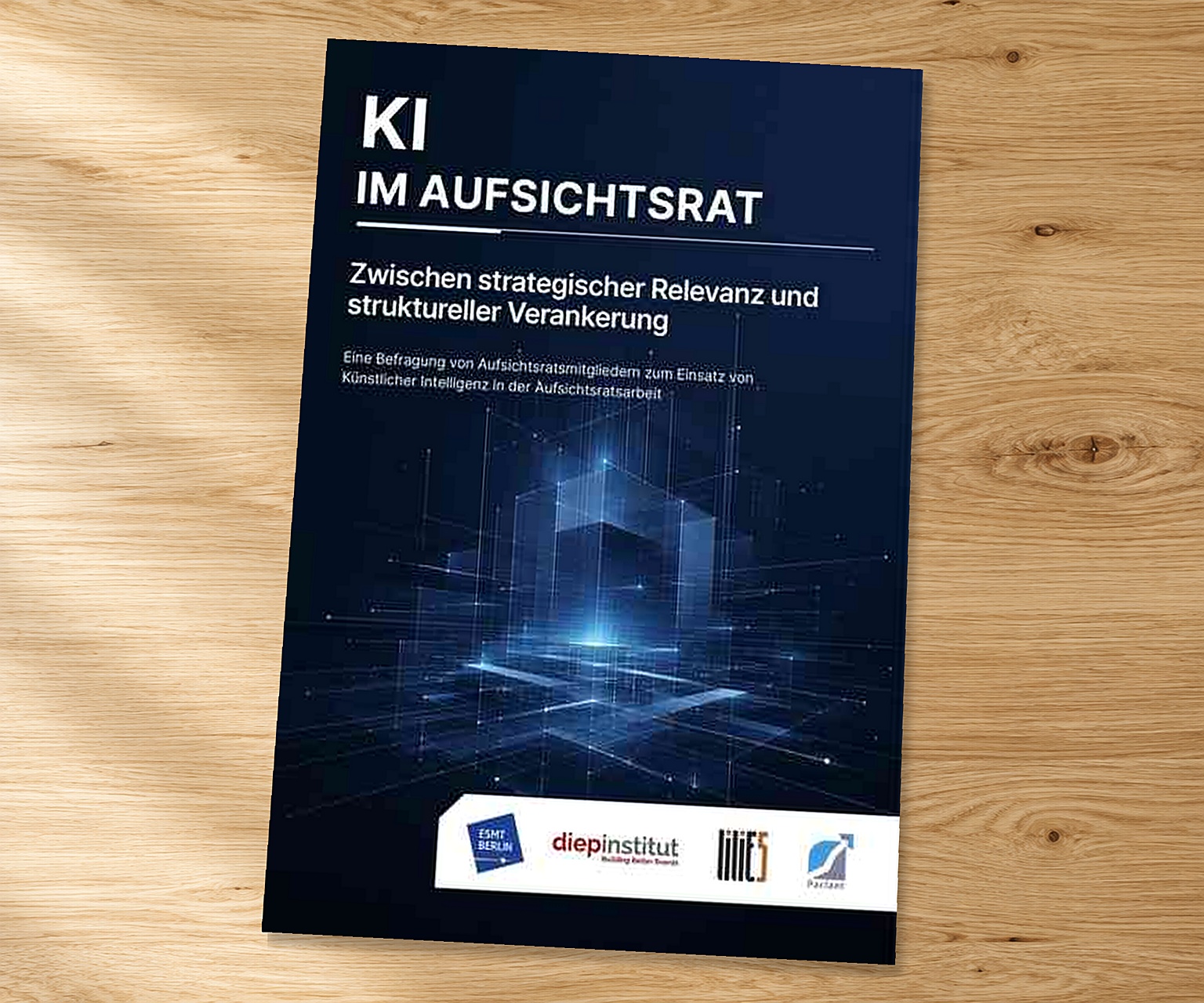
The current study AI in the Supervisory Board by my three co-authors and me examines how supervisory board members assess the use of artificial intelligence in their own work. Among other findings, the results show a persistent knowledge and implementation gap between strategic relevance and structural anchoring in many organizations.
This is exactly where my coaching and advisory work begins – I support individual supervisory board members and entire boards in closing this gap with clear structures and well-founded decision-making processes. This ranges from fundamental questions such as “What do we actually want from AI?” to “How do I effectively develop myself further on this topic?” – and not least, how much understanding of AI is needed to meet one’s overall responsibility as a supervisory board member. I would be glad to discuss this with you.
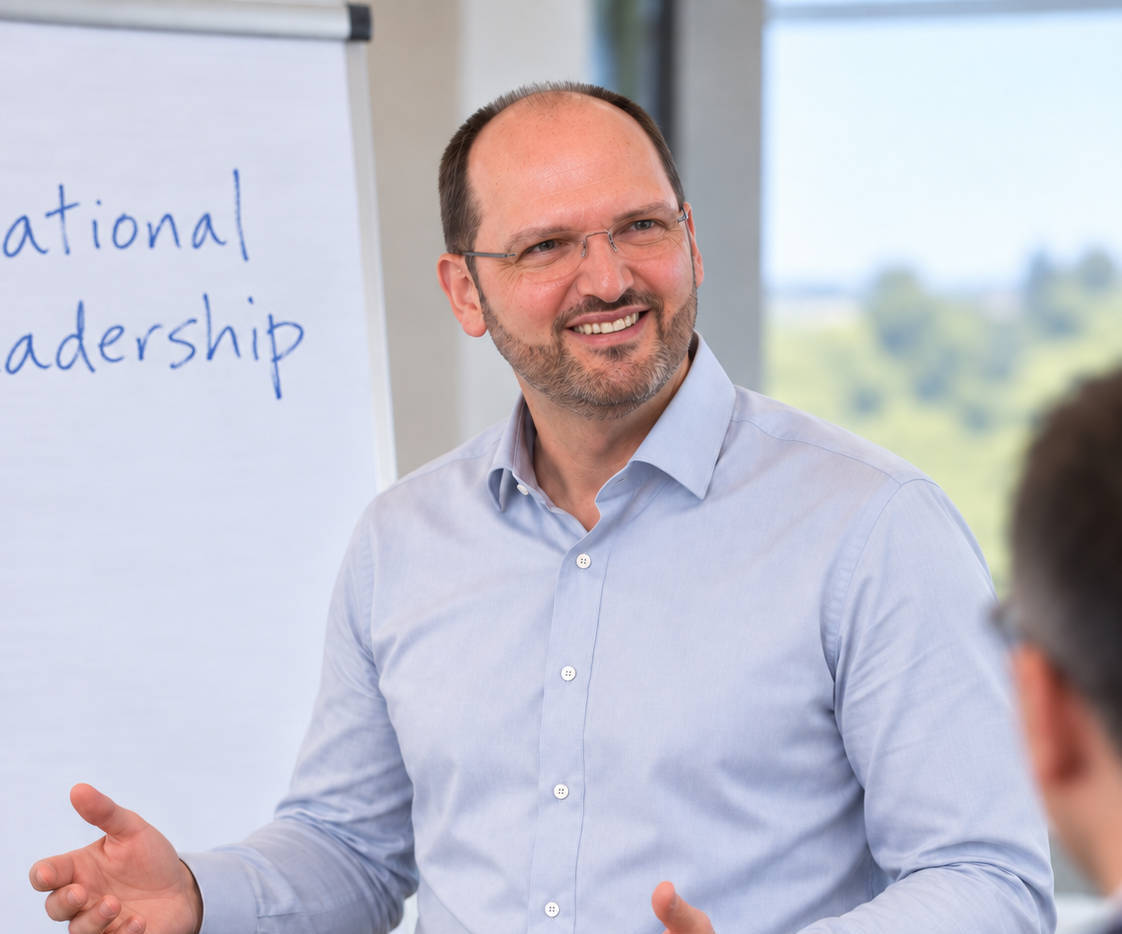
I recently had the opportunity to work on exactly this topic with a small group of executives, in the context of young matrix organizations. The model itself is already several years old – and yet it remains exciting every time, because context and focus areas are constantly changing. This is precisely where the real challenge lies: no leadership situation is like another.
Anyone who has internalized this knows that situational leadership is probably the most important skill of all – not as a technique learned once, but as an attitude that must constantly be recalibrated. True leaders know this and train exactly this flexibility, ideally in sparring with an experienced partner.
I work directly where the action happens: in dialogue with leaders and teams. In small, focused workshops and talks, I help leaders translate the issues of our time – from new technologies, to changing views of leadership and career among rising leaders, to a geopolitically turbulent world – into concrete leadership and decision-making questions.
Nothing stays the same. But simply shifting into the next gear is rarely something one manages alone – it takes outside perspective and a partner who challenges one’s own point of view.

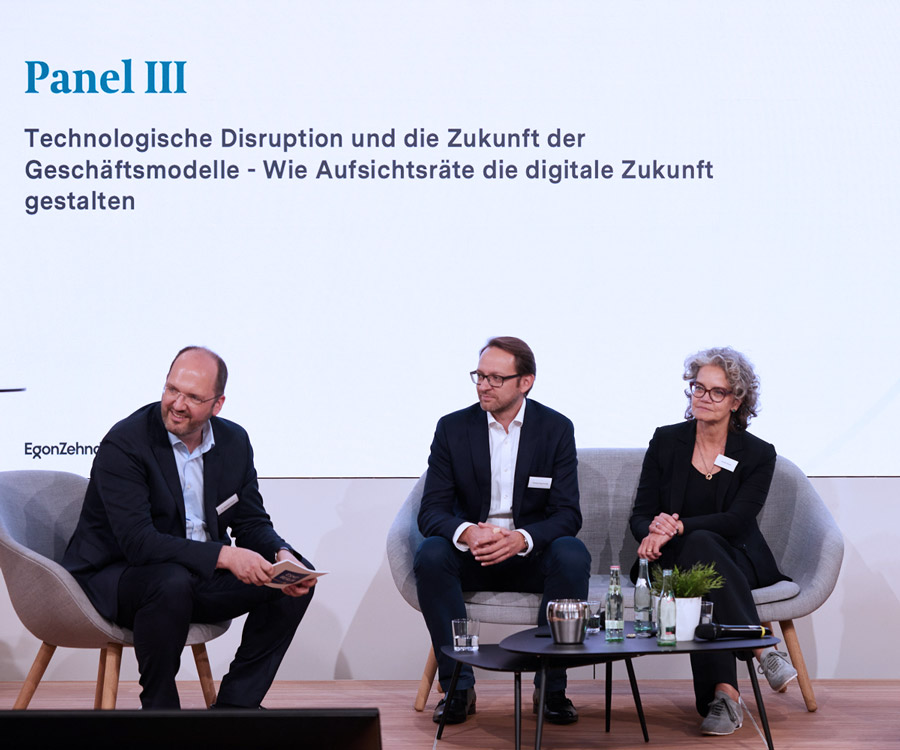
I enjoy being on stage and in dialogue with other leaders – as a panelist, as a moderator, and equally as a listener in the audience.
These formats keep showing me just how open the questions around leadership, transformation, and the use of artificial intelligence still are. A large part of my coaching and advisory work grows out of exactly these conversations: those who raise questions on stage are often looking for a confidential setting afterward, to understand and improve their own situation in concrete terms.
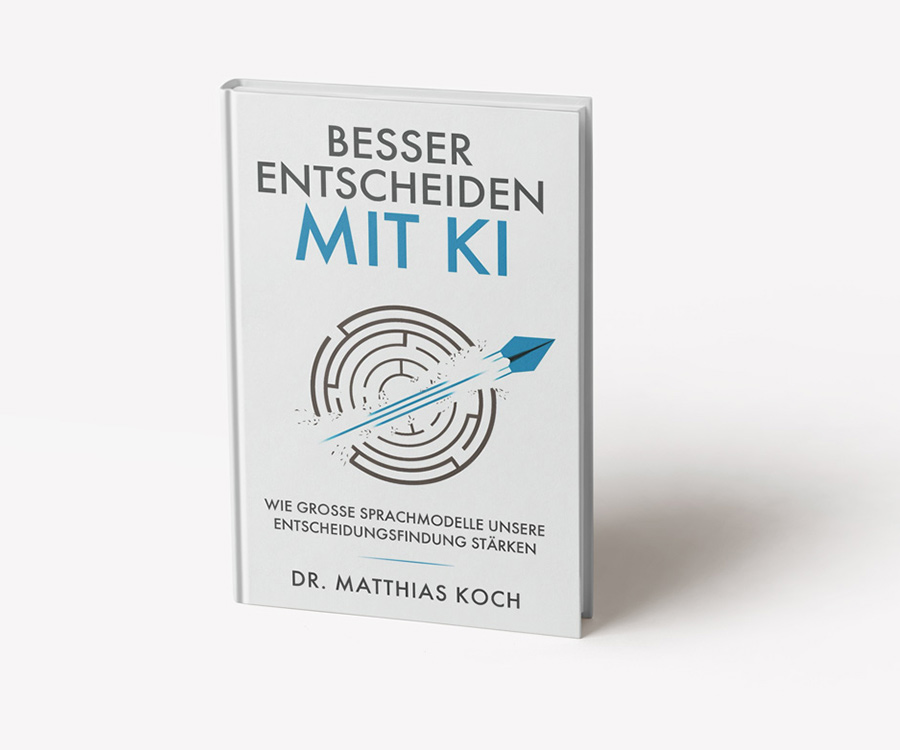
In my book Better Decisions with AI, I explore how artificial intelligence can help people make clearer, more structured, and more conscious decisions.
The focus is not on the technology itself, but on its practical value for leadership, organizations, and personal decision-making ability. Many leaders recognize their own blind spots while reading – which is often the starting point for a coaching engagement in which we apply these questions concretely to their own role.